Multiple-choice questions

Fructose and Galactose metabolism- Multiple-choice questions with explanations

1. An exclusively breast-fed infant presents with vomiting, weight loss, jaundice, hepatomegaly, and bilateral cataracts. Which condition is most likely responsible for these symptoms? A. Breast milk jaundice B. Classical Galactosemia C. Hereditary fructose intolerance D. Type 1 Diabetes mellitus E. Von Gierke’s disease Correct Answer: B. Classical Galactosemia Explanation: Classical galactosemia is a rare […]

Fructose and Galactose metabolism- Multiple-choice questions with explanations Read More »
Glycogen Storage Diseases- Multiple-Choice Questions

1. A 3-month-old male infant presents with poor feeding, hypotonia, and cardiomegaly on physical exam. Blood tests reveal elevated lactate, uric acid, and creatine kinase levels. Echocardiogram demonstrates hypertrophic cardiomyopathy. A muscle biopsy shows excessive glycogen storage in lysosomes. Which enzyme deficiency is most likely responsible for this infant’s condition? A. Glucose-6-phosphatase B. Debranching enzyme

Glycogen Storage Diseases- Multiple-Choice Questions Read More »

Glycogen Metabolism- Multiple-Choice Questions with Complete explanations-Part-1

1. Imagine you’re preparing for a long-distance marathon and need sustained energy throughout the race. Which of the following organs stores the maximum amount of glycogen that your body can use during prolonged exercise? A. Adipose tissue B. Cardiac muscle C. Kidney D. Liver E. Skeletal muscle   The correct answer is E. Skeletal muscle:

Glycogen Metabolism- Multiple-Choice Questions with Complete explanations-Part-1 Read More »

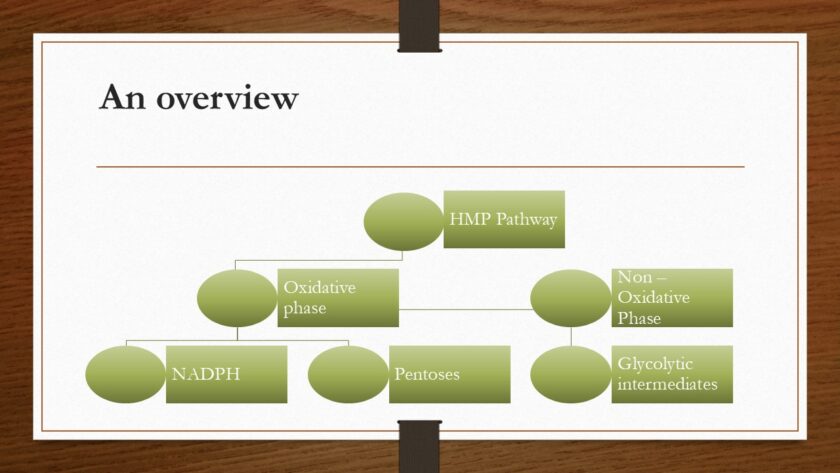
HMP Pathway- Multiple-Choice Questions

1. A researcher is investigating the effect of an enzyme whose reaction product is crucial for de novo fatty acid synthesis. Which of the following enzymes is most likely the focus of this study? A. Acyl CoA Dehydrogenase B. Glucose-6-Phosphatase C. Glucose-6-Phosphate Dehydrogenase (G-6PD) D. Lactate Dehydrogenase E. Phosphofructokinase-1 (PFK-1)   Correct Answer – C.

HMP Pathway- Multiple-Choice Questions Read More »

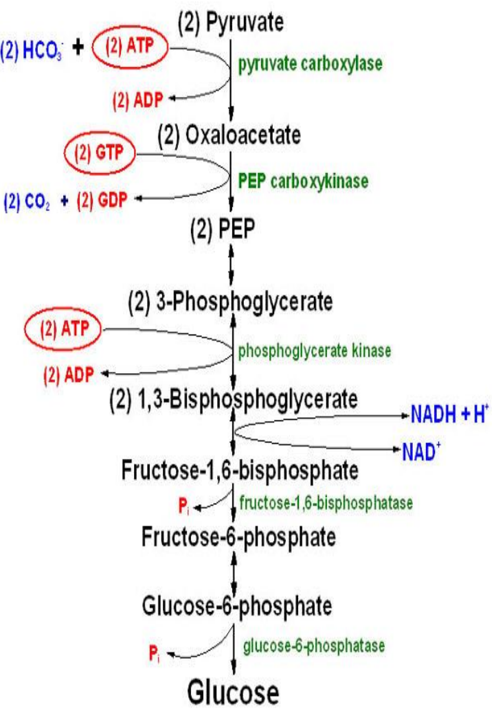
Gluconeogenesis- Case-based multiple-choice questions- Set 2

11. During fasting and feeding states, several enzymes are regulated to maintain glucose and energy homeostasis. Specific biochemical processes occur in an individual at rest who has fasted for 12 hours to adapt to the energy demand. Which of the following occurs in such a state? A. Phosphodiesterase is activated by insulin B. Pyruvate carboxylase

Gluconeogenesis- Case-based multiple-choice questions- Set 2 Read More »

Gluconeogenesis- Case-based Multiple-Choice Questions- Set 1

1. A 4-month-old boy is being evaluated for seizures, psychomotor retardation, and hypotonia. Work-up reveals elevated serum levels of lactate, alanine, pyruvate, and ketoacids. Based on the clinical presentation, pyruvate carboxylase activity is measured using fibroblasts from a skin biopsy and is found to be markedly decreased. This enzyme is normally used to directly synthesize

Gluconeogenesis- Case-based Multiple-Choice Questions- Set 1 Read More »

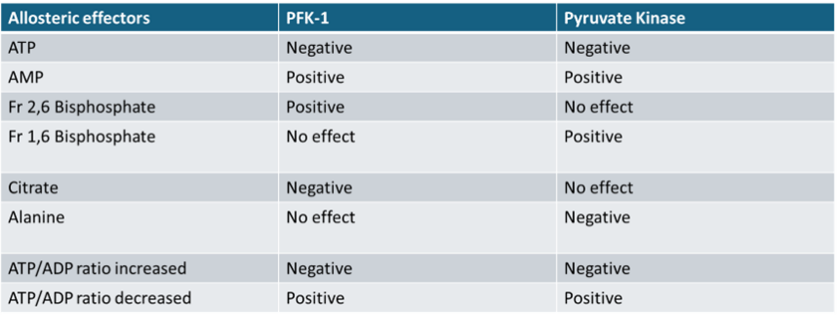
A Summary Of Regulation of Glycolysis, PDH Complex, and TCA Cycle (with mnemonics)

Hexokinase vs Glucokinase Regulation Feature Hexokinase Glucokinase Mnemonic Location Most tissues (muscle, brain) Liver and pancreatic β-cells “H in Human Tissues, G in Glucose Factories” Affinity for Glucose (Km) Low Km (high affinity) High Km (active only at high glucose) “Hexokinase is Hungry, Glucokinase is Greedy” Allosteric Inhibition Inhibited by Glucose-6-Phosphate No inhibition by Glucose-6-Phosphate

A Summary Of Regulation of Glycolysis, PDH Complex, and TCA Cycle (with mnemonics) Read More »

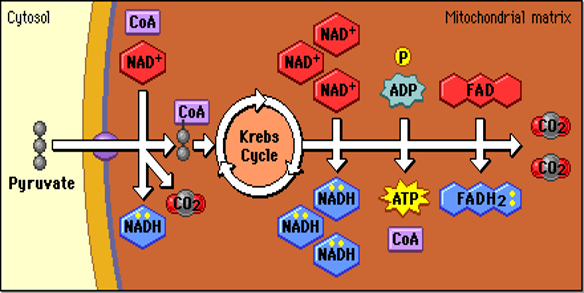
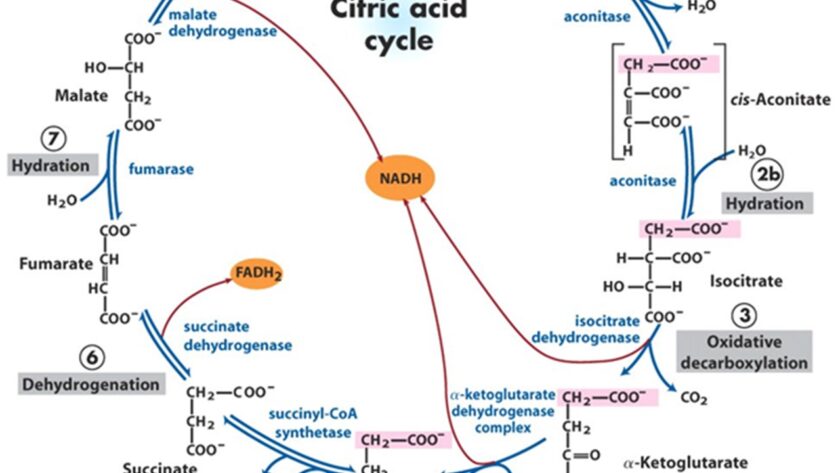
PDH complex and the TCA cycle- NBME style questions set-2

1. The cytosolic isoform of which of the following TCA cycle enzymes requires NADP⁺ as a coenzyme, which can be utilized in the reduced state for reductive biosynthesis? A. Aconitase B. Citrate Synthase C. Isocitrate Dehydrogenase D. Malate Dehydrogenase E. Succinate Dehydrogenase The correct answer is C: Isocitrate Dehydrogenase: The cytosolic isoform of isocitrate dehydrogenase

PDH complex and the TCA cycle- NBME style questions set-2 Read More »

PDH complex and the TCA cycle- NBME style questions set-1

1. A 24-year-old woman presents with diarrhea, dysphagia, jaundice, and white transverse lines on her fingernails (Mee’s lines). She is diagnosed with arsenic poisoning. Arsenic poisoning inhibits which of the following enzymes? A. Citrate synthase B. Isocitrate dehydrogenase C. Malate dehydrogenase D. Succinate dehydrogenase E. α-Keto glutarate dehydrogenase complex Correct answer: E. α-Keto glutarate dehydrogenase

PDH complex and the TCA cycle- NBME style questions set-1 Read More »

Glycolysis Review- NBME style questions with complete explanations

Q.1 Identify the Phosphoester that is predominantly encountered in erythrocytes and plays a vital role in modulating the oxygen-binding affinity of hemoglobin: A. 1,3-Bisphosphoglycerate B. 2,3-Bisphosphoglycerate C. Fructose 1,6-bisphosphate D. Fructose 6-phosphate E. Glucose 6-phosphate The correct answer is B. 2,3-Bisphosphoglycerate (2,3-BPG): 2,3-Bisphosphoglycerate is a negatively charged molecule found in high concentrations within erythrocytes. 2,3-BPG

Glycolysis Review- NBME style questions with complete explanations Read More »

×